

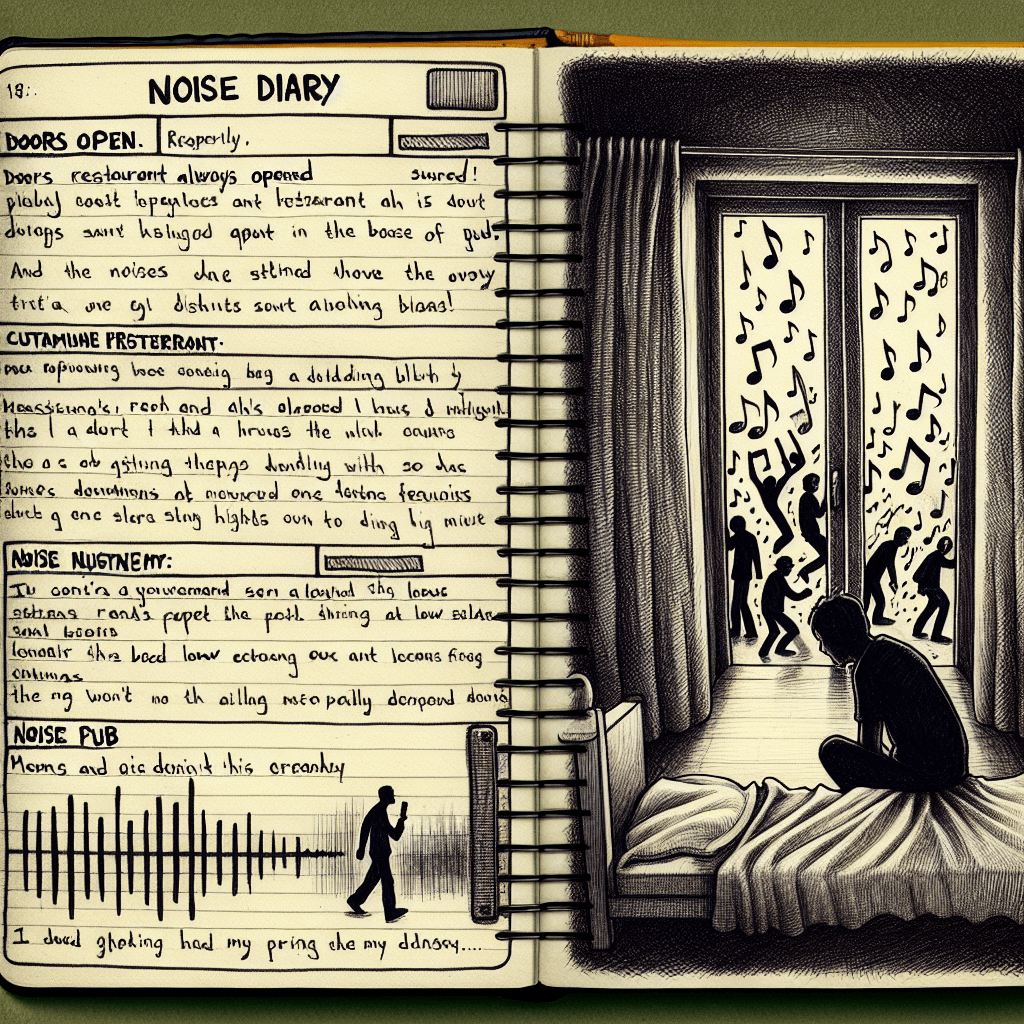
Understanding Noise Nuisance
Noise nuisance refers to excessive or irritating sounds that disturb the peace in residential areas. Common sources include loud neighbors, traffic, and construction. Although we often overlook it, persistent noise can lead to considerable disruption in our daily lives, affecting our mental wellbeing.
The Psychological Effects of Noise
Research indicates that exposure to constant noise can trigger a variety of mental health issues. These may include stress, anxiety, and sleep disturbances. The brain, in its effort to filter out unwanted noise, can become overworked, resulting in heightened anxiety levels. Individuals living in noisy environments may struggle with maintaining focus, which can lead to decreased productivity.
Strategies for Mitigating Noise Disruption
To combat the adverse effects of noise nuisance on mental health, several strategies can be employed. First, consider using noise-cancelling headphones or white noise machines to drown out undesirable sounds. Additionally, creating a quiet space at home can provide a refuge, while practicing mindfulness techniques can help manage stress levels effectively. Incorporating these measures can significantly improve quality of life in noisy environments.