

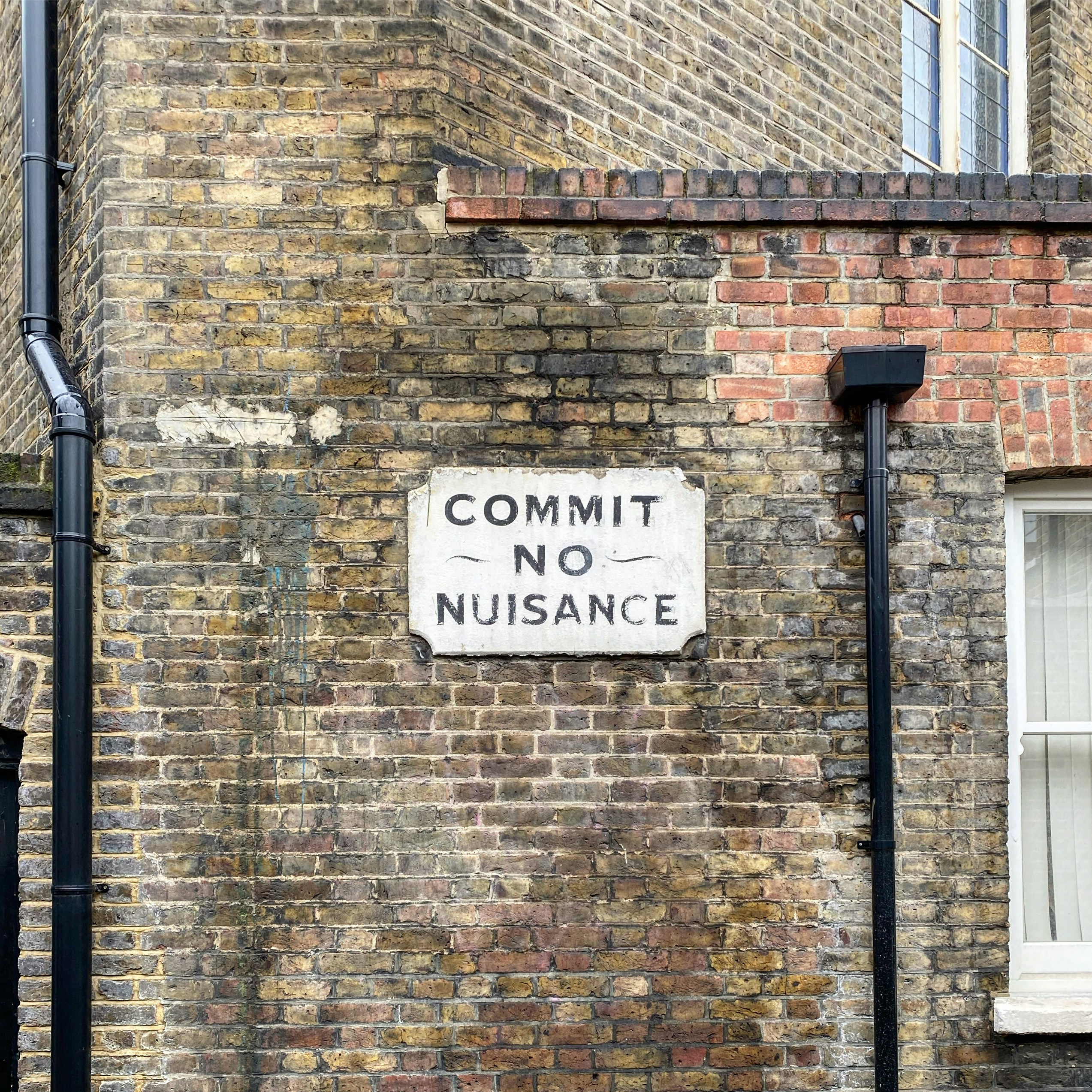
What is Noise Nuisance?
Noise nuisance refers to unwanted or excessive noise that interferes with the reasonable use and enjoyment of one’s property. Within the context of UK law, noise is categorized as a nuisance if it is frequent, persistent, or significantly disruptive to individuals or communities. The Environmental Protection Act 1990 serves as a key piece of legislation governing noise-related issues, providing the legal framework for individuals to file complaints against excessive noise that constitutes a nuisance.
Common examples of noise nuisances include loud music, barking dogs, and construction noise. Loud music emanating from homes or venues can disturb neighbours, particularly during late hours. Likewise, barking dogs can become a source of annoyance, especially if they bark continuously or during night-time hours. Construction noise, which may involve heavy machinery or hammering, can be exceptionally disruptive to residents living nearby, especially when construction activities take place over an extended period.
Local authorities are tasked with assessing noise complaints, usually conducting investigations to determine whether the noise levels exceed acceptable thresholds. They typically consider factors such as the time of day, the duration of the noise, and its impact on the surrounding community. If a noise is deemed a nuisance, the local authority may take various actions, including issuing warnings, seeking mediation, or, in severe cases, enforcing legal measures against the responsible party.
Understanding the definition and legal implications of noise nuisance is essential for residents who may be experiencing disturbances in their vicinity. Knowledge of local laws and appropriate channels for addressing noise complaints can help individuals effectively respond to and mitigate these nuisances. Accurate documentation, such as keeping a noise diary, can further support residents in substantiating their concerns when reporting noise issues to the authorities.
The Role of Local Councils in Addressing Noise Complaints
Local councils in the UK play a crucial role in managing noise complaints, which are a common concern among residents. When a noise complaint is lodged, councils are guided by specific statutory duties and procedures to ensure that the complaint is addressed effectively. Councils are responsible for assessing the validity of noise complaints, often utilizing environmental health officers who specialize in noise nuisance cases. This initial evaluation is essential in determining whether the noise constitutes a significant disturbance under established regulations.
Once a complaint is received, local authorities typically follow a systematic procedure that may include the collection of evidence. This often involves monitoring the noise levels at the source and recording its frequency and duration. Councils may use sound equipment to gather data to substantiate the claims made by the complainant. Any findings are then cataloged, helping to inform subsequent actions taken to resolve the issue.
The outcomes of a noise complaint can vary, depending on the severity of the disruption and the responses of those involved. Potential outcomes may include mediation between parties, the issuing of warning notices, or enforcement action where necessary. Councils aim to promote community safety and well-being, striving to create a harmonious living environment for all residents. Awareness of local noise regulations and enforcement options plays a pivotal role in addressing noise nuisances and fostering a cooperative atmosphere.
For residents seeking assistance with noise issues, councils often provide resources and guidance. Many have dedicated noise teams that offer advice on how to document noise disturbances effectively, including the preparation of a noise diary. This documentation can be vital for substantiating complaints and supporting investigations, ensuring that community standards are maintained. Understanding the role of local councils in this process is critical for residents facing noise challenges.
How to Keep an Effective Noise Diary
Keeping a noise diary is an essential tool for residents experiencing disturbances, enabling them to accurately document incidents of noise nuisance. The first step is to select a suitable format for logging this information. Whether using a physical notebook or a digital application, consistency is key. A structured approach will ensure the diary is easy to reference and maintain over time.
Begin by recording the date and time of each noise incident. Note the duration of the disturbance; this is a critical element for establishing patterns of noise nuisance. Additionally, describe the nature of the noise in as much detail as possible. Is it loud music, construction work, barking dogs, or something else? Incorporating specific descriptions helps paint a clearer picture of the disturbance.
It is also important to document the impact the noise has on your daily life. Consider including information such as whether it interfered with sleep, work, or leisure activities. Noting your emotional and physical responses, such as feelings of stress or frustration, can also be beneficial. When compiling this information, clarity and detail will strengthen your case should you need to present it to local authorities or during any formal complaints.
Utilizing technology can significantly enhance your noise diary. Many smartphone apps are available that allow users to record sounds, timestamp incidents, and even log notes about their experiences. This ease of use encourages regular updates to the diary and can provide an accurate account of occurrences over time. Remember, consistency is key; aim to log incidents as they happen, rather than trying to recall details later.
In conclusion, an effective noise diary should include detailed records of each incident, including the date, time, duration, and nature of the noise, along with its impact on your life. By maintaining a consistent method of documentation, residents can significantly strengthen their position when addressing noise nuisances.
Next Steps After Keeping a Noise Diary
Once residents have diligently maintained a noise diary to document incidents of noise nuisance, it is crucial to understand the available steps for addressing the situation effectively. The first course of action typically involves formulating a formal complaint to the local council. In doing so, residents should compile relevant entries from their noise diary, including dates, times, the nature of the noise, and any attempts made to discuss the matter with the offending party. This documented evidence can significantly strengthen the case when presented to local authorities.
If the initial complaint does not resolve the issue, residents may consider escalating the matter. Mediation services can serve as an effective intermediary, providing a neutral space for both parties to discuss the noise issue and seek mutually agreeable solutions. These services can facilitate productive conversations, helping to clarify misunderstandings and establish boundaries regarding acceptable noise levels.
In more severe cases, seeking legal advice may be necessary. Residents should contact solicitors who specialize in noise nuisance or property disputes. Legal experts can assist in understanding rights and possible actions, including the potential for pursuing a formal noise abatement order. It is essential to bear in mind the specific requirements for taking legal action, as each case can differ significantly.
In certain instances, involving the police may be warranted, particularly if the noise nuisance escalates to a level that disturbs public peace or safety. Understanding the thresholds for police involvement is vital, as they can address more serious breaches promptly. The potential outcomes of pursuing a noise nuisance complaint can range from mediation agreements to legal sanctions against the noise creator, thus underscoring the importance of taking informed steps following the maintenance of a noise diary.
https://www.gov.uk/guidance/noise-nuisances-how-councils-deal-with-complaints